
The common narrative that Gen Z suffers from a shrinking attention span is a frequent trope in marketing circles, but it often misses the underlying strategic reality.
At Follett Media Network, our observations suggest that students aren't distracted, in fact they're simply highly selective.
In an era of algorithmic predictability, they have developed an elite filter for anything that feels forced, repetitive, or overly engineered.
For advertisers, the challenge is capturing a few seconds of time while breaking through that filter by leaning into what we call "algorithmic serendipity," and the power of genuine discovery.
In our experience, the most effective strategies are beginning to look past traditional demographics. Here are 9 strategic pillars to support your thinking when advertising to Gen Z / college students:
1. Prioritize Intent Over Identity
A student’s behavior changes depending on whether they are learning, socializing, or seeking inspiration. So, instead of targeting broad demographic "identities," focus on "intent" - this is the real-time context of what they are trying to achieve in a specific moment.
Strategy: Align your media placements with specific student mindsets: learning, socializing, or seeking inspiration. By meeting a student in the context of their current objective, you move from being an interruption to being a resource.
2. Engineered Serendipity: Moving Beyond the "For You" Feed
Students are increasingly weary of hyper-predictable recommendations and are actively seeking the lucky finds. Discoveries that feels like a surprise rather than a calculation. Advertisers who lean into serendipity by appearing in unexpected but relevant contexts will break through the noise more effectively than those relying on standard retargeting. Take a look at the below example.
Strategy: Move beyond standard retargeting. Place high-value tools or curated content (like a "focus timer" or a niche study playlist) in unexpected but relevant contexts, such as student-led forums or "study-with-me" livestreams. When a student "discovers" your brand in a trusted space, you break through the elite filter and build immediate credibility.
3. Capitalize on the "Convenience Premium"
Gen Z frequently prioritizes frictionless access over the lowest price because they view convenience as a product feature in itself. For them, the 'best' brand is often simply the one that integrates most seamlessly into their day-to-day routine.
Strategy: Optimize the path to purchase as a conversion lever. Advertisers should prioritize promoting flexible payment options (BNPL, EMIs) and same-day delivery. In 2026, the brand that removes the most clicks from the checkout process wins the battle between choice and sale.
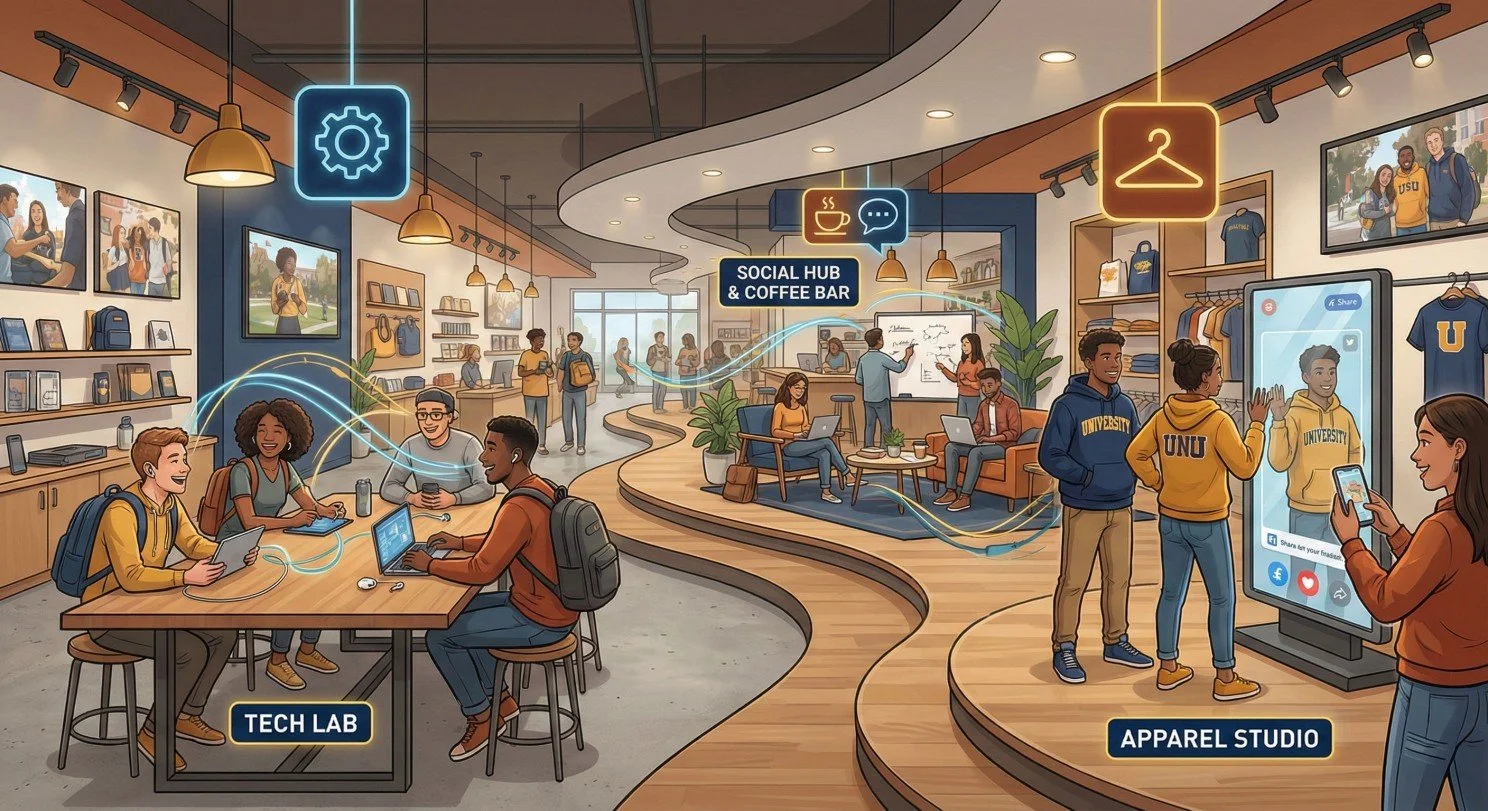
4. The Campus Store as a Social Juncture
The most authentic social interactions still happen in person. The campus store is the "physical feed" of the university: a high-traffic hub where students meet, study, and discover products through their peers.
Strategy: Use physical retail as a social juncture. When a student sees their peers interacting with a brand in a shared campus space, it creates "physical social proof" that digital ads cannot replicate. Strategic advertisers will treat the store not just as a point of sale, but as a community destination where peer influence and shopping intent naturally collide.
5. Lead with Purpose and Transparency
For this generation, brand integrity and ethical responsibility is a baseline expectation, not a bonus. Retailers that demonstrate supply chain transparency and environmental commitment resonate more deeply and build stronger, long-term loyalty.
Strategy: Invite co-creation. Moving from building an "audience" to fostering a "community" requires brands to show their ethical homework and invite student input. When a brand aligns with student values and offers a positive personal experience, it transforms a one-time buyer into an organic advocate within their social ecosystem.
6. Cultivate Future Loyalists Through Experience
Gen Z is an experience-driven generation that seeks meaningful breaks from their digital lives. When a brand aligns with their values and offers a positive personal experience, these consumers become organic advocates within their social ecosystems, influencing their peers and securing long-term growth for the brand.
Strategy: Integrate tactile touchpoints. Move beyond digital-only campaigns by creating sensory breaks like physical activations in the campus environment that allow students to interact with your brand without the pressure of a screen. By providing a memorable, real-world utility (like a wellness pop-up or a collaborative workspace), you earn advocacy that digital impressions simply cannot buy.
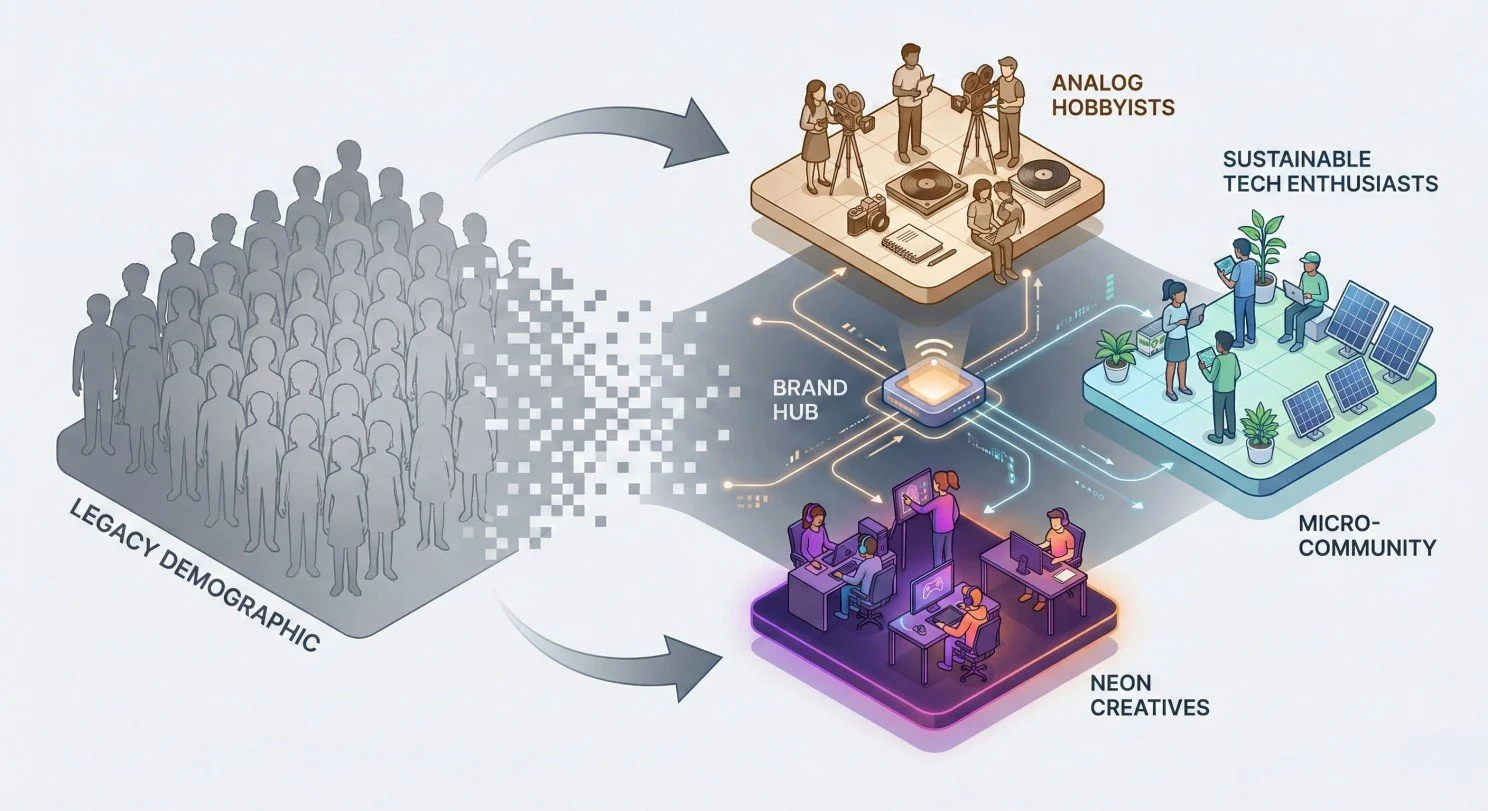
7. Subculture Mapping over Broad Demographics
Targeting "18-24 year olds" has become a legacy approach that often yields diminishing returns. In our experience, the real high-ROI opportunities lie in identifying and supporting specific, niche interest groups.
Strategy: Diversify your media spend by mapping to subcultures. From "analog hobbyists" to "sustainable tech enthusiasts"—rather than broad age buckets. By speaking to these highly specific communities, brands build a deep, localized credibility that a one-size-fits-all campaign simply cannot replicate.
8. Strategic Timing: Aligning with the Academic Rhythm
Students live by a unique, high-pressure calendar that dictates their needs and receptivity. We have observed that the most effective campaigns while being well-targeted are well-timed to match the specific emotional and functional phases of the academic year.
Strategy: Adopt a "Semester-Based" Media Strategy. Advertisers should flex their creative and messaging to align with major campus milestones ranging from the high-energy rush of moving-in periods and the collective spirit of March Madness to the anticipation of Spring Break and the celebratory milestone of Graduation. By providing solutions for these specific seasonal shifts, you move from being a generic advertiser to a partner in their success. To help map out these opportunities, reach out to us for our full campus calendar and advertising playbook.
9. Prioritize Peer-Level Influence
While celebrity endorsements have their place, students increasingly rely on "people like me" for buying decisions. Smaller, campus-level creators often command much higher trust and engagement rates than national influencers.
Strategy: Invest in partnerships with campus-specific creators who have smaller, high-intent audiences. These creators provide the peer-to-peer validation that Gen Z requires to break through their filter of skepticism. This ensures your brand is recommended by a trusted voice within the student's immediate social circle.
Tap Into the Most Influential Consumer Group Through Campus Retail Media
The most successful brands in 2026 will be those that view the campus not just as a retail location, but as a vibrant, intent-driven social ecosystem.
At Follett Media Network, we specialize in connecting brands with 6m+ students across 1,000+ campus stores across the US and Canada.
Our goal is to work alongside you to turn your brand into a genuine "lucky find" for the modern student. Reach out to our team to request your copy of the 2026 Campus Calendar and let’s begin mapping out your strategy.